How to Balance Adventure and Recovery on a Dive Holiday
Embarking on a dive holiday, whether it’s a remote island resort or a multi-day liveaboard, is a unique blend of adrenaline and calm. While you're there for the thrill of exploring underwater worlds, the real magic often happens in the quieter moments between descents—the surface intervals, the evenings post-dive, and the deliberate pauses you take to recharge. Yet, many divers fall into the trap of overdoing it, trying to pack every moment with activity and adventure, only to face burnout. Balancing adventure and recovery is essential not just for your enjoyment but also for your safety and long-term passion for diving.
Understanding the Trip Rhythm: Why Rest is Part of Diving
Adopting a sustainable trip rhythm is one of the most underrated skills in diving. The rhythm involves alternating high-energy dives with periods of mental and physical recovery, maintaining a balance that keeps you fresh and engaged throughout the holiday.
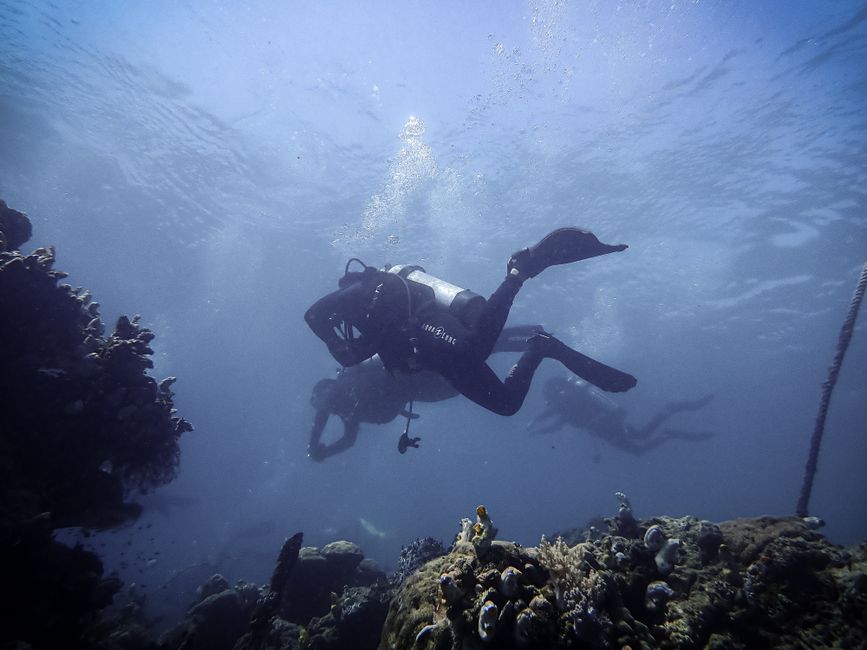
A common mistake is to treat every day like a bucket-list checklist. Pushing yourself to squeeze in every dive site, tour, or nighttime excursion without adequate downtime often leads to exhaustion and diminished return from the experience. Remember, rest is part of the dive process—necessary for your body to recover from the physical strain and for your mind to absorb what you’ve experienced under the waves.
Surface Intervals: More Than Just Waiting Time
Surface intervals are sometimes underestimated moments in a dive trip, often viewed merely as countdown periods until the next dive. In reality, these hours are golden opportunities for relaxation and social bonding.
- Relaxation: Use this time to rest your muscles, hydrate, and refuel with snacks. After a dive, your body needs time to off-gas nitrogen, and light activities or simply lounging in shade become essential recovery steps.
- Social bonding: Surface intervals foster natural conversations. It’s where you swap stories about what each diver saw and felt underwater, compare notes on marine life behavior, and build friendships. Often, these informal chats become the highlights of the trip—not just the dives themselves.
- Reflection: Use these breaks to mentally review your dive, check dive logs, or jot notes in a journal or app on your tablet or phone. Reflecting aids your learning and deepens your connection with diving.
The Appeal of Liveaboard Routines and Limited Options
One of the charms of liveaboard diving is the structured routine. The schedule is mostly set around dive times, meals, and rest periods—with limited distractions or side trips to pull you away from the rhythm of the boat. While it might feel restrictive at first, this “limited options” environment is a blessing for balance.
Here’s why:
- Built-in Rest: With no WiFi to spiral into endless scrolling and only the vast sea around you, downtime becomes intentional rather than accidental. It’s easier to resist the temptation to overpack your day with activities.
- Predictable Cycle: Dive, decompress, eat, rest, and repeat—this mindfulness in routine promotes physical recovery and mental clarity.
- Better Sleep: The gentle sway of the boat coupled with structured sleep times can help regulate your sleep patterns, which directly boosts your energy levels during the trip.
Keeping Track: My Mental Pre-Download Checklist for Digital Entertainment
One personal quirk I never overlook before heading offshore or to places with sketchy connectivity is my mental checklist of offline digital entertainment. Phones and tablets are indispensable for passing the time, but assuming WiFi will work onboard or on remote islands is a rookie mistake.
- Podcasts: Downloading a mix of dive-related talks and light entertainment keeps my mind engaged but rested. Nothing too taxing—think marine biology chats or short story podcasts.
- Ebooks: A few favorites saved locally prevent screen frustration and allow me to unwind without internet interruptions.
- Offline Maps or Dive Logs Apps: I preload all navigation or dive log apps with offline maps of the area. This helps orient myself without relying on a signal and allows me to capture dives meticulously right away.
- Playlists or Ambient Sounds: Sometimes, I just want to drift off to calming sea sounds or curated playlists that slow down my brainwaves post-dive.
Post-Dive Evenings: The Shift in Pace
Once all the gear is rinsed and stowed—a ritual I cherish to signal the end of active diving—the evenings tend to take on a different shape. Post-dive evenings are where the pace truly shifts, often slower, quieter, and tinged with a communal contentment among divers.
This is the time to capitalize on genuine recovery:
- Avoid “must-do” scheduling: Resist the urge to fill every night with tours, dinners, or dive theory classes. Let yourself be spontaneous or simply rest up.
- Connect and Compare: Sharing photos, recounting the day’s highlights, and planning no-pressure activities deepen social connections without wearing you out.
- Gentle activities: Opt for light walks on the beach, yoga stretches to ease diving-induced tension, or quiet reading by lantern or moonlight.
- Mind your hydration and nutrition: Diving taxes your body; evenings are for nourishing yourself with balanced meals and plenty of fluids.
How I Personally Unwind After Rinsing My Dive Gear
There’s a special feeling that comes with rinsing and packing away your gear for the day—it’s like a mini celebration of a day well dived. I usually take a few minutes sitting with my mask and fins drying in the sun, letting the sensation of saltwater fade. It’s a moment to breathe deeply and mentally shift gears from adventurer to relaxer. Phones and tablets are put on airplane mode diver fatigue tips liveaboard or offline to encourage a digital detox, letting me tune into the natural sounds around me—waves, seabirds, or the hush of the boat.
Tips to Avoid Burnout on Your Dive Holiday
Tip Description Plan Fewer Dives Per Day Stick to a manageable number, usually two to three dives, to ensure adequate surface interval and rest. Pre-Download Entertainment Prepare podcasts, books, and maps for offline use to avoid frustration and promote mindful downtime. Embrace Surface Interval Activities Use these moments for light socializing, reflection, hydration, and simply soaking up the environment. Respect Your Body Listen to signs of fatigue, sleep well, and eat nourishing meals to aid in recovery. Limit Nighttime Plans Don’t turn every evening into a must-do schedule; opt for low-key or no plans on some nights. Rinse and Ritualize Make gear rinsing a mindful ritual to mark the end of active diving and the start of rest.Conclusion
Balancing adventure and recovery on a dive holiday is as much about mindset as it is about scheduling. The underwater world can be exhilarating and exhausting in equal measure, and recognizing rest as an essential part of your trip rhythm can prevent burnout and elevate your overall experience.

By embracing surface intervals as moments of relaxation and social bonding, leaning into the comforting routines of liveaboards, planning your offline digital entertainment thoughtfully, and honoring the slower, more restful pace of post-dive evenings, you set yourself up for a dive holiday that is https://dlf-ne.org/how-to-keep-your-tablet-useful-on-a-dive-trip-with-no-signal/ both thrilling and renewing.
Remember, the dive trip isn’t just about the dives themselves—but also about how you recover between them, allowing your body, mind, and spirit to soak in every magic moment without running on empty.